

LASIK Information
LASIK: What It Is, When It's Needed, Procedure, Recovery & Risks.
LASIK (Laser-Assisted In Situ Keratomileusis) is a modern refractive surgery procedure that helps reduce dependence on glasses or contact lenses.
At KMN EyeCare, many patients have experienced a comfortable and safe LASIK journey performed by experienced ophthalmologists using the latest technology.
What Is LASIK?
LASIK is a medical procedure to correct refractive errors such as:
- 1. Myopia (Nearsightedness)
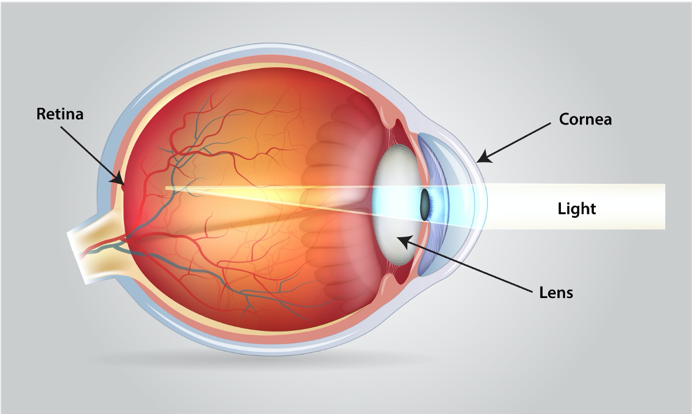 The cornea is too curved, or the eyeball is longer than normal, causing light to focus in front of the retina.
 - 2. Hyperopia (Farsightedness)
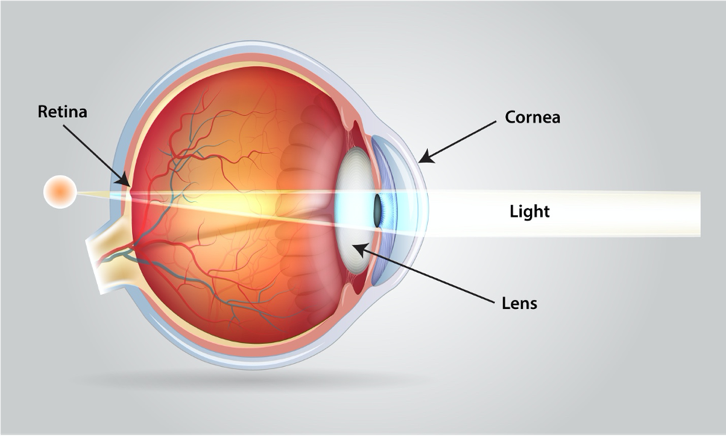 The cornea is too flat, or the eyeball is shorter than normal, causing light to focus behind the retina.
 - 3. Astigmatism
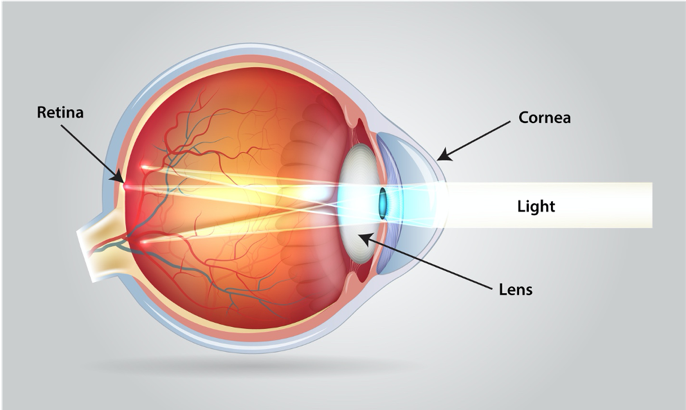 The cornea has an irregular shape, causing light to focus on multiple points and resulting in blurred or distorted vision.
The LASIK procedure aims to reshape the corneal surface using a laser so that light can focus precisely on the retina.
At KMN EyeCare, LASIK is quick, painless, and performed by highly skilled and experienced eye doctors.
When Does Someone Need LASIK?
LASIK is recommended for individuals who want freedom from glasses or contact lenses.
General requirements to undergo LASIK include:
- Minimum age of 18 years
- Healthy eye condition
- Stable vision prescription
- Not pregnant or breastfeeding
- No certain autoimmune diseases
- No severe dry eyes
- Diabetes under control
- Stop wearing soft contact lenses at least 2 weeks before the procedure
- Stop wearing hard contact lenses at least 3 weeks before the procedure
Before LASIK, you will undergo a comprehensive eye examination that takes about 2–3 hours to determine whether you are a suitable candidate.
How is LASIK Performed at KMN EyeCare?
General LASIK steps include:
- Complete pre-LASIK examination
Includes corneal thickness measurement and mapping, specular microscopy (to assess corneal endothelial cells), eye pressure test, visual acuity test, tear production, retinal examination, and laboratory tests. - Topical anesthetic drops
No injections—only eye drops are used.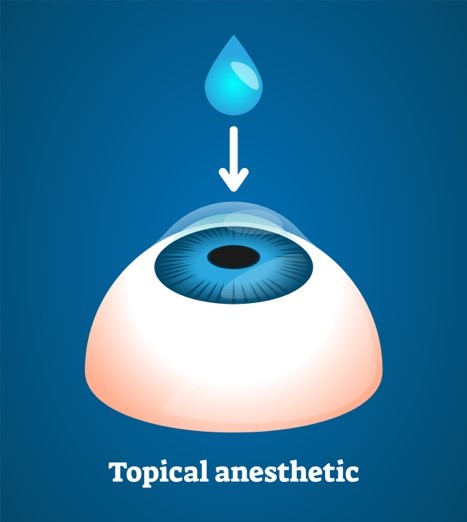
- Flap creation
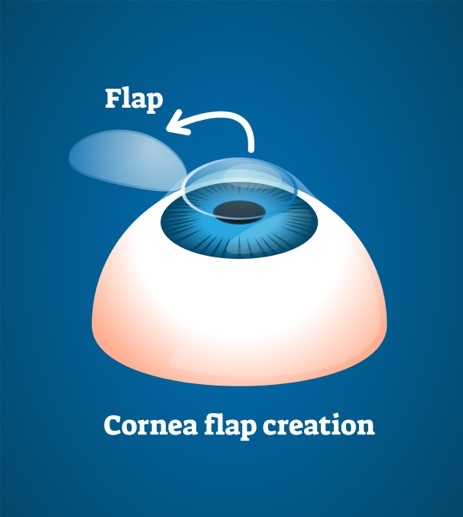
- Laser reshaping
The laser works within seconds to reshape the cornea for optimal vision.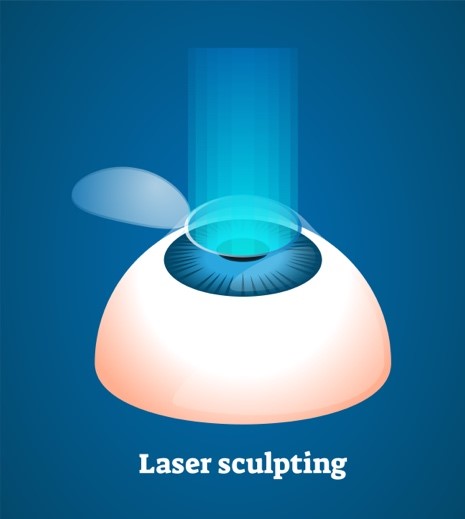
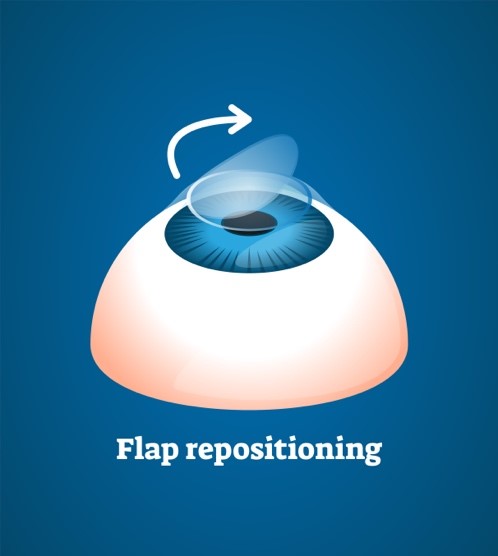
- Completed in ±10 minutes per eye
Patients can go home the same day but are advised not to drive afterward.
Recovery After LASIK
- Vision usually becomes clear within 24 hours
- Light activities can resume the next day
- Eye drops are used during recovery
- Follow-up schedule:
1 day – 1 week – 1 month
Possible Risks & Side Effects
Like any medical procedure, LASIK carries certain risks, although they are rare, such as:
- Temporary dry eyes.
- Glare or halos at night (usually improve over time).
- Fluctuating vision during early recovery.
Ready to Start Your Glasses-Free and Contact-Lens-Free Journey?
LASIK is a long-term investment in your comfort and quality of life.
Ready to Find Out if You Are a SiLK Candidate?
Contact
Senior Marketing Executive
for consultation and the latest promo info at: