

Dr. ANNETTE MARIZA, SpM
After graduating from University of Indonesia Medical School in 2004, Dr. Annette began her career in the Cila...
View Profile →
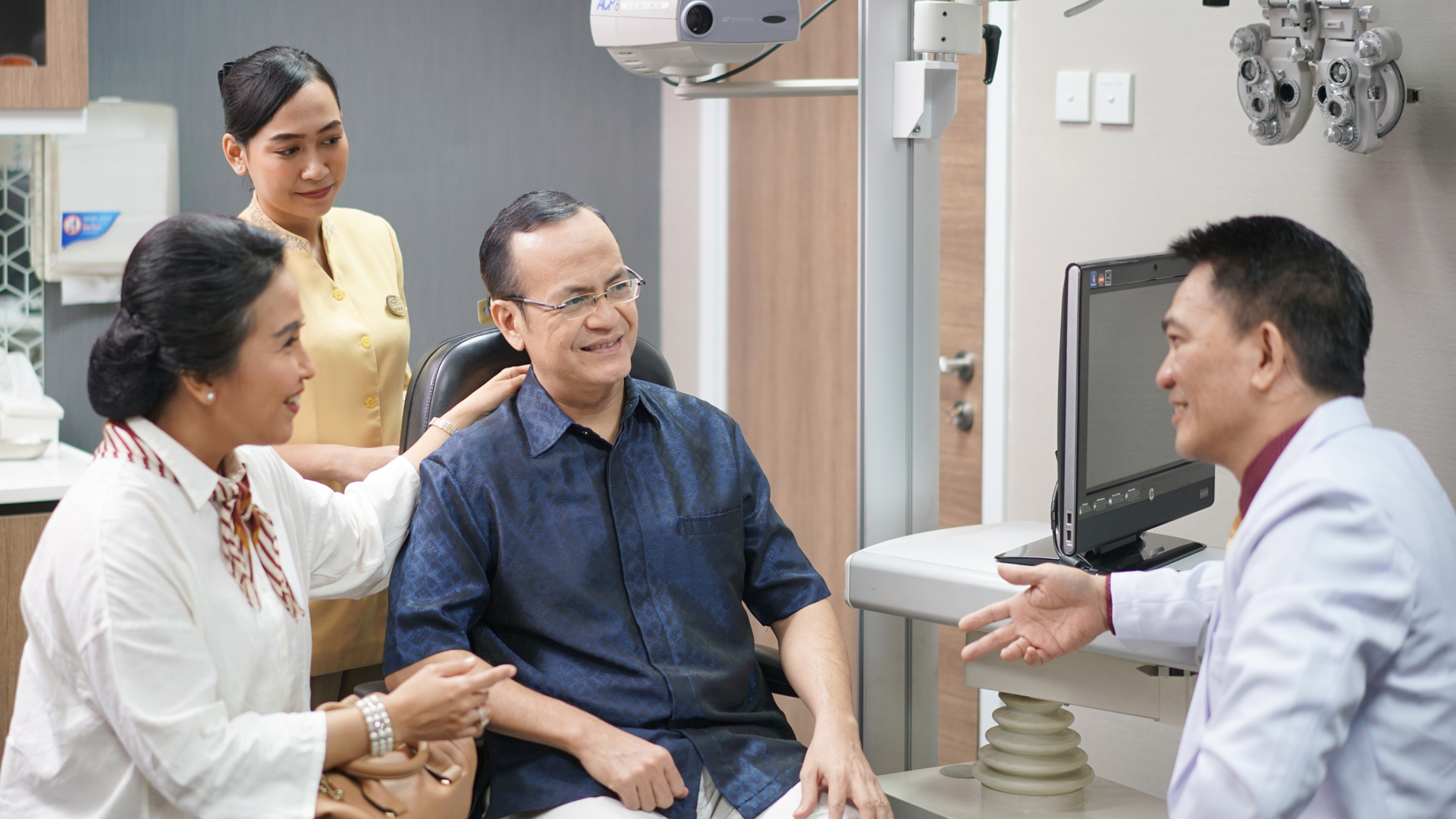
With CATALYS™ Precision Laser System technology and a selection of world-class premium lenses, cataract surgery at KMN EyeCare is designed to provide greater precision, better control, and optimal vision quality tailored to each patient's needs.
Not All Cataract Surgeries Are Performed with the Same Technology
Some cataract surgeries are still performed using conventional approaches.
At KMN EyeCare, patients have the option of undergoing surgery with the assistance of CATALYS™ Precision Laser System technology, which helps improve precision in the crucial stages of cataract surgery.
Because when it comes to vision, small details can make a big difference.
CATALYS™ is a femtosecond laser technology that helps doctors perform various critical stages of cataract surgery with a very high level of precision.
After a Cataract Is Removed, the Lens Determines the Quality of Vision
After the cloudy natural lens is removed, the doctor will replace it with an artificial lens (Intraocular Lens/IOL).
The choice of lens used will significantly impact the quality of vision after surgery, including comfortable vision at distance, intermediate, and near.
A team of ophthalmologists experienced in cataract surgeries of varying degrees of complexity.
Supported by the latest generation of diagnostic and surgical eye technology for more precise and measurable procedures.
Premium lenses are available from leading global manufacturers such as Alcon, Johnson & Johnson, and ZEISS.
Every patient has different visual needs. Therefore, technology and lens recommendations will be tailored to each patient's lifestyle and vision expectations.
Comprehensive support from examination, procedure, and recovery.
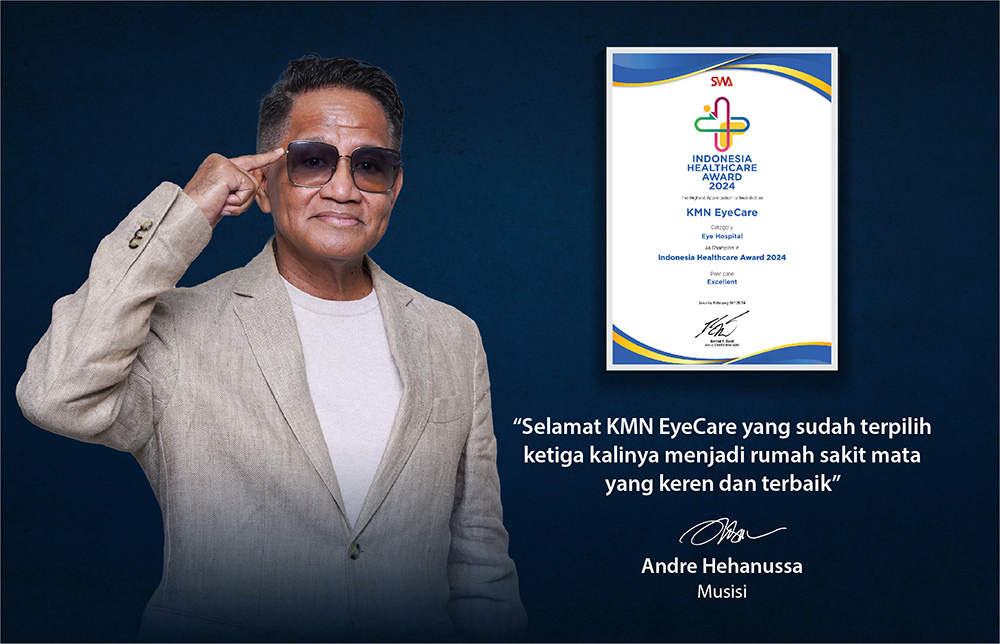

At KMN EyeCare, surgical success is measured by the quality of vision achieved by patients after surgery. Therefore, we routinely benchmark*) against international standards to evaluate cataract surgery outcomes.
Evaluation results show that postoperative visual acuity in KMN EyeCare patients consistently matches the benchmarks used by leading eye care centers worldwide.
*) Determination of Valid Benchmarks for Outcome Indicators in Cataracts Surgery, Hahn et al.
Cataracts are currently the leading cause of blindness worldwide. Cataracts are often caused by age. The word "cataract" comes from the Greek word "cataracta," which means waterfall. The name "waterfall" comes from the fact that when someone has a cataract, their vision becomes blurry, as if looking through a waterfall.
Cataract symptoms that commonly prompt patients to seek treatment include decreased visual acuity, blurred or hazy vision, reduced ability to see colors and brightness, difficulty driving at night, and frequent changes in eyeglass sizes. In more severe cases, cataracts can lead to complete vision loss (blindness).
With the latest cataract surgery equipment, KMN EyeCare offers cataract surgery that can be performed from the earliest stages of cataract so that the patient's vision can return completely.
The main cause of cataracts is the degeneration process due to aging. Other causes include trauma accidents, eye inflammation, congenital abnormalities, and other less common conditions.
Cataract surgery can be performed when cataracts begin to interfere with daily activities, such as reading, driving, working, or seeing comfortably. The sooner a cataract is treated before it becomes too mature, the easier the surgery is generally and the more optimal the visual outcome.
Johnson & Johnson's CATALYS™ Precision Laser System is an advanced laser technology that helps doctors perform several key steps in cataract surgery with a very high degree of precision. This technology uses high-resolution 3D imaging to help plan procedures more accurately based on the unique condition of each eye.
CATALYS™ helps doctors perform corneal incisions, opening the lens capsule (capsulotomy), and softening the cataract lens with greater precision. This technology also reduces the use of ultrasonic energy during surgery, making the procedure gentler on eye tissue.
Most cataract patients are candidates for surgery with CATALYS™ laser technology. However, the final decision will be made after a thorough examination by an ophthalmologist to ensure this technology is suitable for the patient's eye condition and visual needs.
No. Cataract surgery with CATALYS™ technology is performed under topical anesthesia, so patients generally do not feel pain during the procedure. In most cases, an anesthetic injection is not required.
Modern cataract surgery, whether phacoemulsification or CATALYS™ laser-assisted, is generally performed through very small incisions that do not require stitches. Patients can usually go home the same day and return to light activities within a short time, as recommended by the doctor.
At KMN EyeCare, for patient safety, cataract surgery is performed on one eye first. After surgery on the first eye, surgery on the second eye can be performed approximately one week later, according to the ophthalmologist's recommendation.
Because CATALYS™ provides a higher level of precision in the crucial stages of cataract surgery, enabling more personalized planning for each eye, and helping to achieve more consistent and comfortable results for patients.
CATALYS™ is one of the leading femtosecond laser platforms used globally to assist in modern cataract surgery and was developed by Johnson & Johnson Vision.
Every patient has different visual needs. KMN EyeCare provides lens options ranging from basic vision to the highest visual quality using more precise technology to support your daily activities. At KMN EyeCare, there are two cataract surgery package options:
This package uses advanced premium lenses combined with laser‑assisted technology using CATALYS™ by Johnson & Johnson, enabling a more precise and controlled procedure for optimal outcomes.
Within the Signature package, you can choose the level of visual quality that best fits your needs, from enhanced comfort for daily activities to comprehensive vision at multiple distances.
Advantages with Laser:
In this Signature package, you can choose:
Provides comfortable distance and intermediate vision for activities such as working on a computer, viewing a car dashboard, and everyday tasks.
Advantages of Laser
With laser-assisted technology included in this package:
The result:
More comfortable vision for a variety of activities, especially at distance and intermediate distances, which are most frequently used in everyday life (click here for a brief comparison between the different package types).
Note:
If there is astigmatism, the lenses will be adjusted to help correct the astigmatism and improve vision.
Provides comfortable distance, intermediate, and near vision, including computer work, dashboard viewing, and reading.
Advantages of Laser
With laser-assisted technology included in this package:
The result:
More complete vision at almost all distances, making it more comfortable for long-distance, medium-distance, and even reading activities (click here for a brief comparison between the different package types).
Note:
If there is astigmatism, the lens will be adjusted to help correct the astigmatism and provide more optimal results.
The right choice to regain clearer vision after cataract surgery.
For more precise and consistent results, the Signature package with laser technology is available.
For this Premium package, there are 2 options available:
Clear distance vision with comfortable visual quality for daily activities.
Long-distance vision remains clear with a more natural transition to mid-range, making activities such as looking at the car dashboard more comfortable.
Optional Upgrade: Laser
With the addition of laser-assisted technology (CATALYS™ from Johnson & Johnson), the procedure is performed with a higher level of precision and control, resulting in optimal results.
Advantages of Laser
Note
For certain activities, such as close reading and intermediate distance vision, such as computer use, you may still need glasses (click here for a brief comparison between the different package types).
If you have astigmatism, special lenses are available that can be adjusted for optimal results.
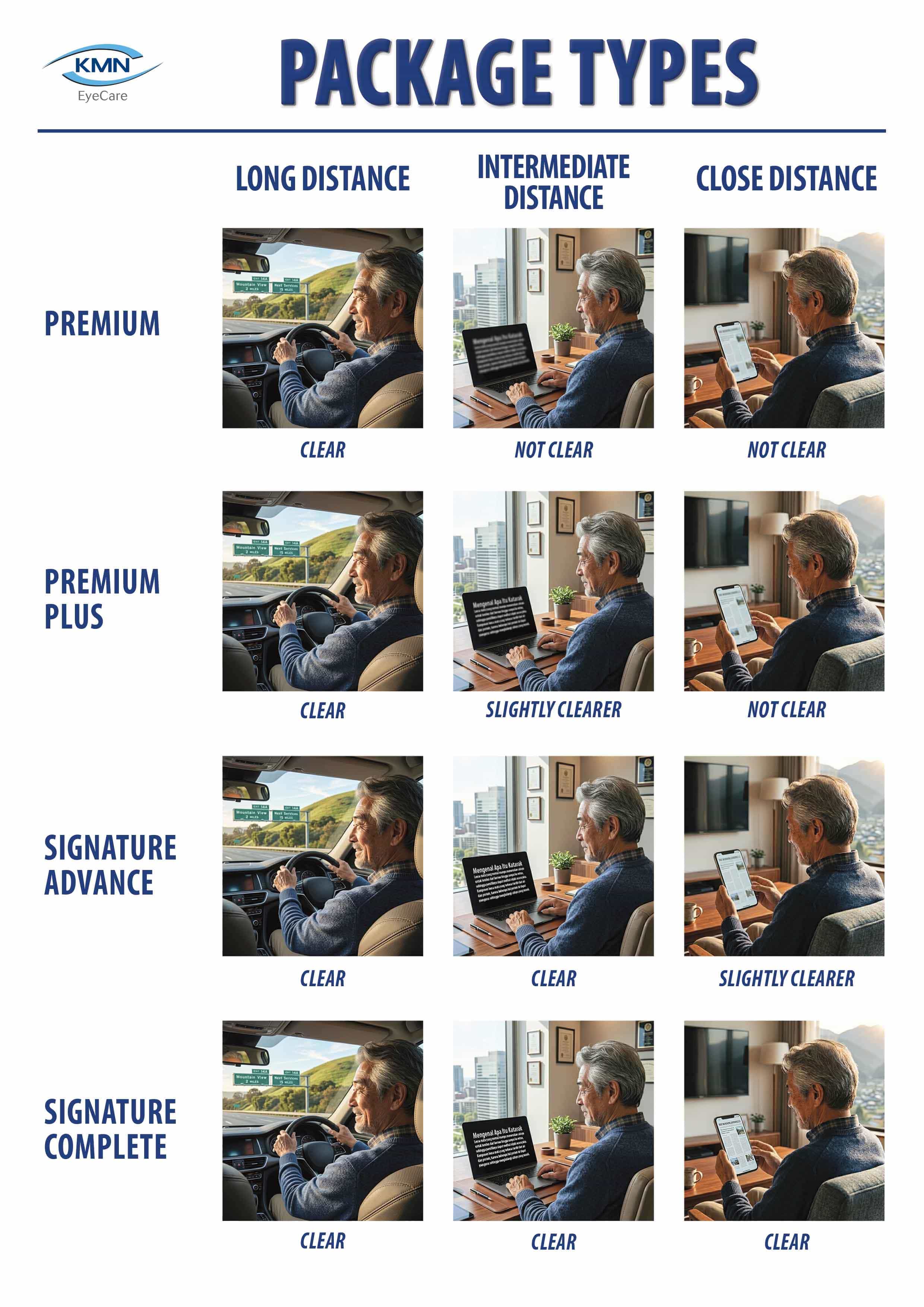
Note
Intermediate distance refers to activities such as using a computer, viewing a car dashboard, or similar arm's length. tasks.
Still unsure which option to choose?
The KMN EyeCare medical team is ready to recommend the best option based on your eye condition and visual needs.
Schedule a Consultation NowAdditional Note
Lens selection and surgical technique will be determined based on medical examination results, eye condition, and each patient’s visual needs, including astigmatism correction if required.
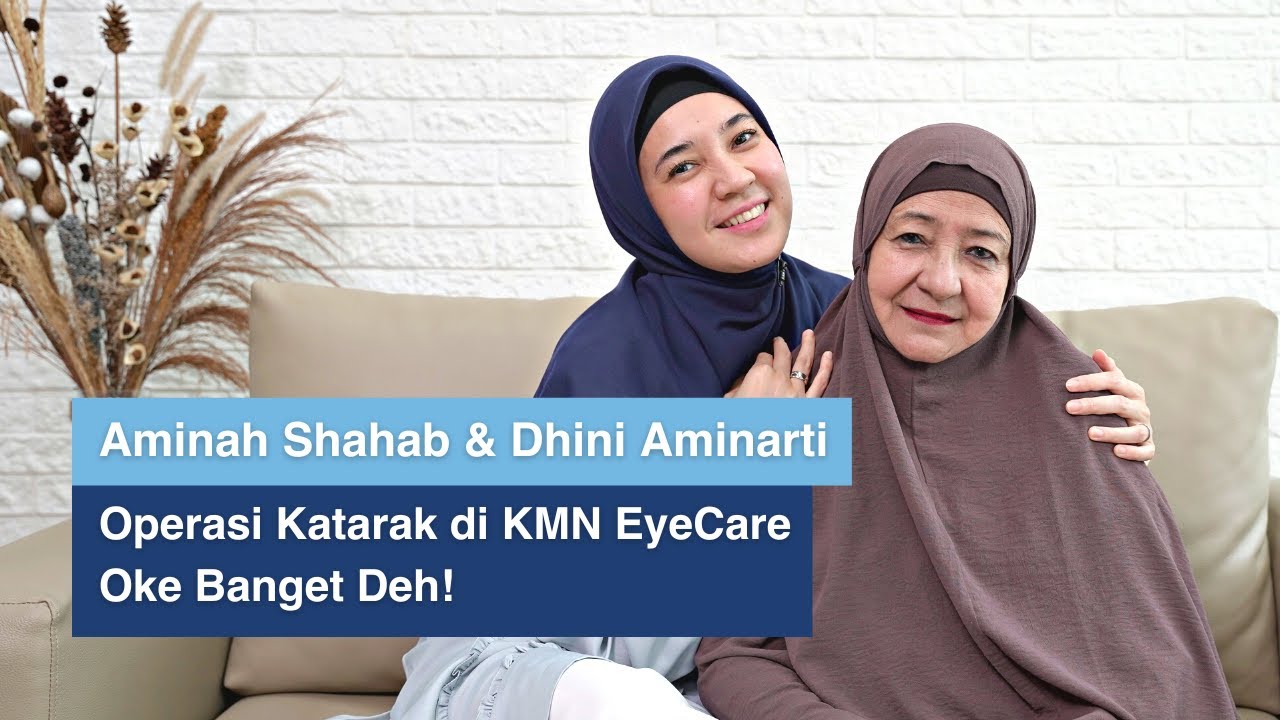
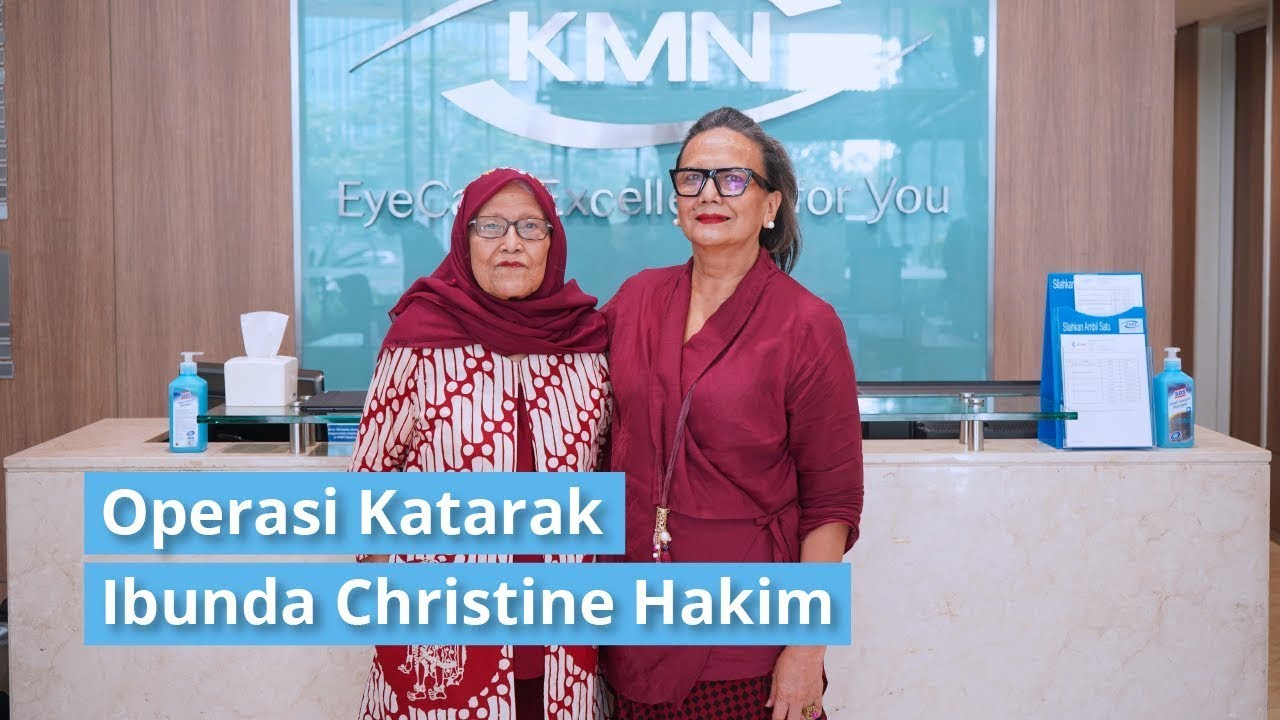
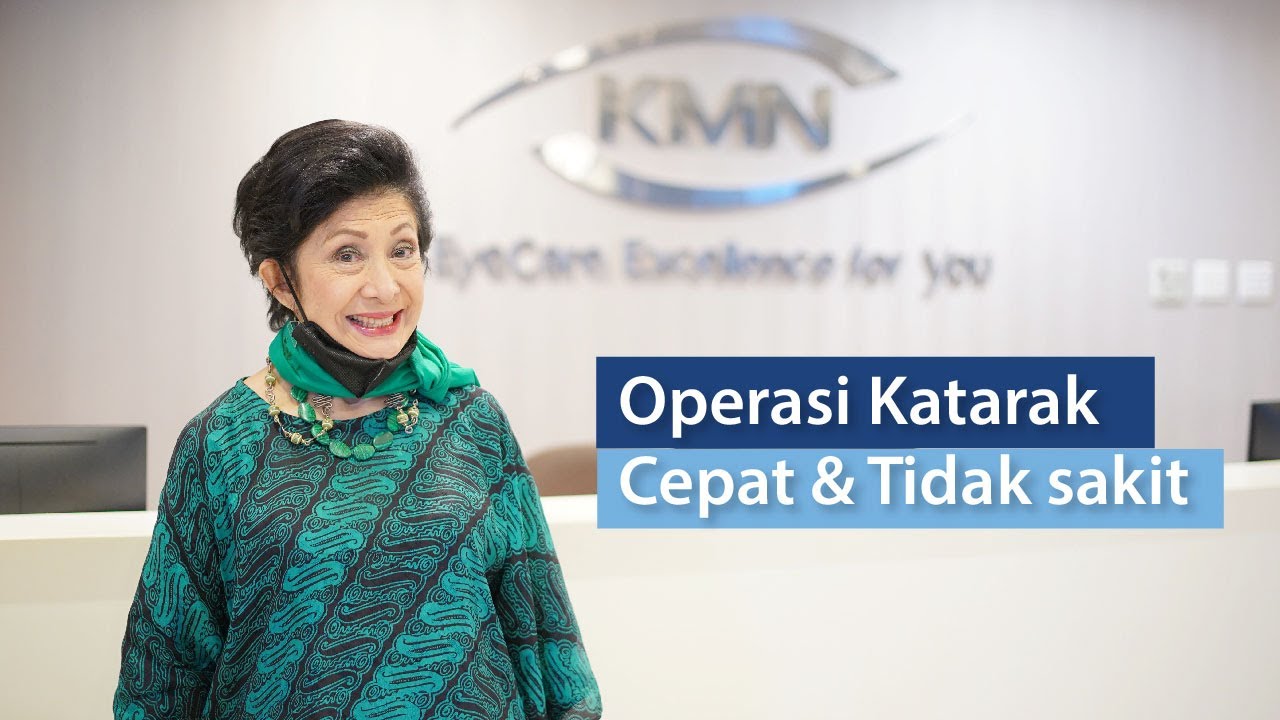
Real experiences from our cataract patients












Experienced cataract specialists at KMN EyeCare
Showing 30 of 30 doctors
After graduating from University of Indonesia Medical School in 2004, Dr. Annette began her career in the Cila...
View Profile →
After completing his retinal fellowship in Japan and Singapore, Dr. Ari returned to Indonesia and worked as fa...
View Profile →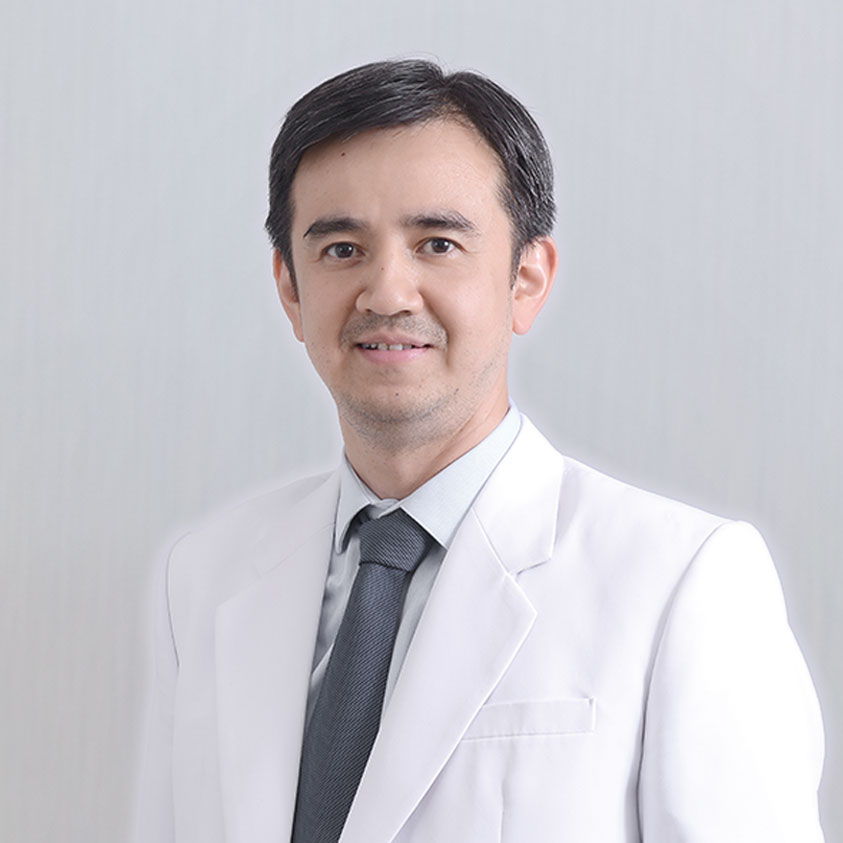
Dr. Arief joined KMN EyeCare in Semarang in 2010 and completed his retinal fellowship in Thailand between 2012...
View Profile →
After completing his ophthalmology residency, Dr. Bondan joined the Faculty of Ophthalmology at the University...
View Profile →
Dr. Danang joined the team at KMN EyeCare after completing his ophthalmology residency at the University of Ga...
View Profile →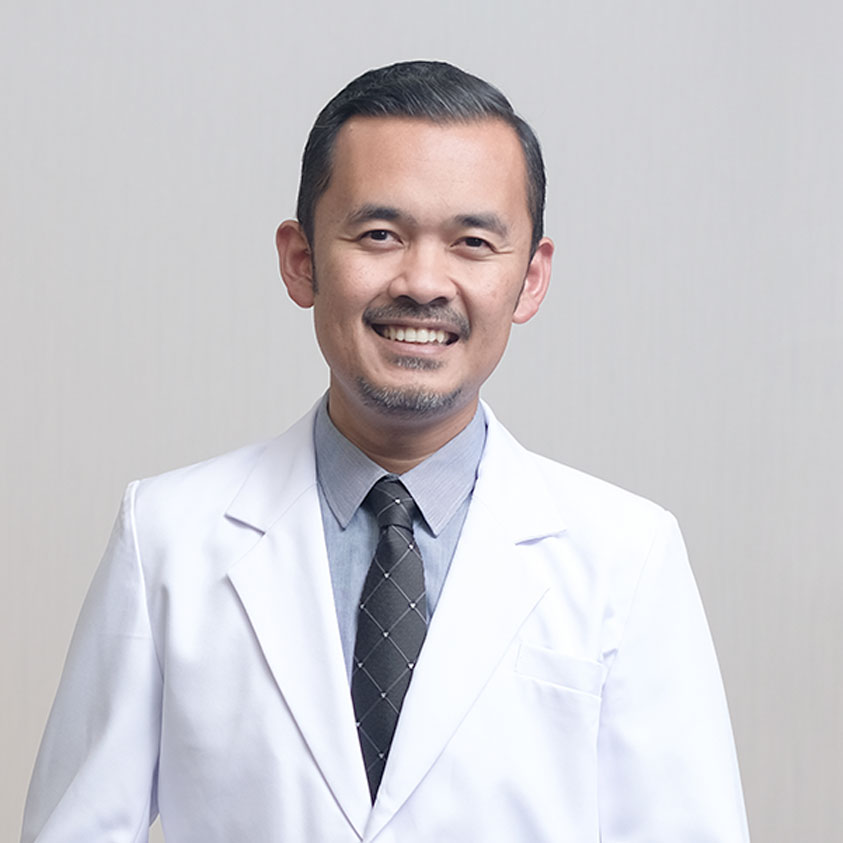
After graduating from the University Indonesia Medical School, Dr. Emil practiced at KMN EyeCare in Semarang b...
View Profile →
Dr. Henry joined KMN EyeCare in Semarang after graduating from the University of Gadjah Mada Medical School in...
View Profile →
Dr. Ira joined KMN EyeCare since its inception in 2004 and continues to practice in cataract, oculoplasty, and...
View Profile →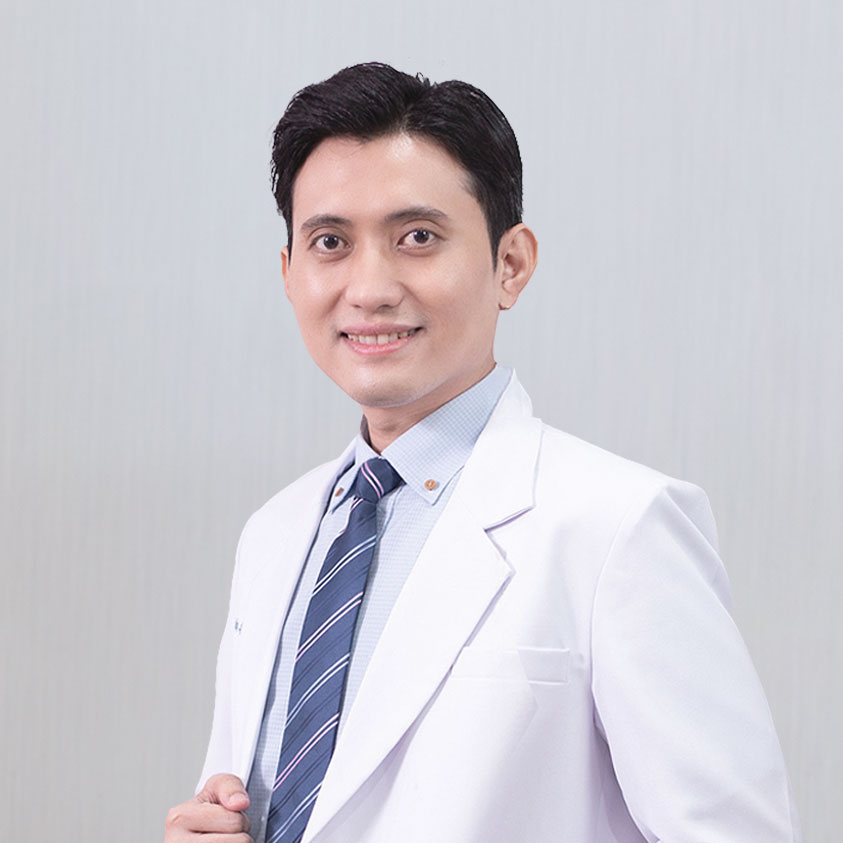
Dr. Joko joined KMN EyeCare After completing Ophthalmology Specialist
View Profile →
After finishing Bachelor of Medicine at Atma Jaya Catholic University, Dr. Kevin joined KMN EyeCare in 2020 af...
View Profile →
Dr. Lohita completed her Ophthalmology Specialist Program in 2020
View Profile →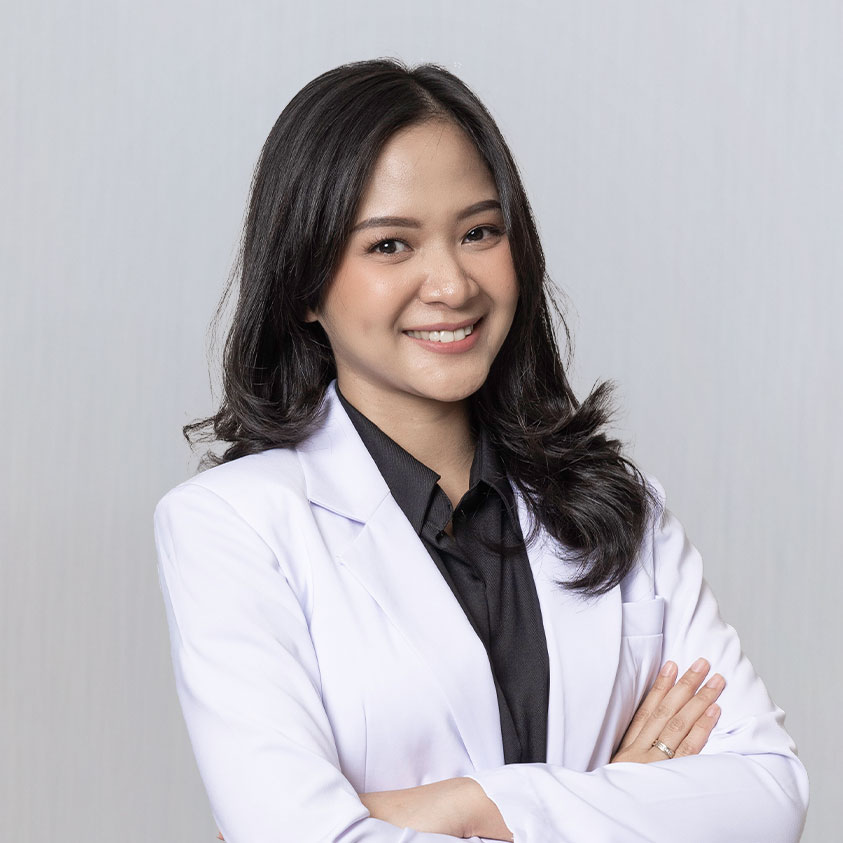
After completion of a Bachelor of Medicine at Padjajaran University and Ophthalmology Specialist at the Univer...
View Profile →
Dr. Martin immediately joined the team at KMN EyeCare after graduating from the University of Sam Ratulangi Me...
View Profile →
Dr. Maya joined the KMN EyeCare team after graduating from the University of Indonesia Medical School in 2010....
View Profile →
Dr. Mendy joined KMN EyeCare in 2026, after completing her Ophthalmology
View Profile →
Dr. Sjahbudi joined KMN EyeCare in 2004 and has expertise in cataract and LASIK treatment.
View Profile →
Dr. Nugraha joined KMN EyeCare after completing Ophthalmology Specialist
View Profile →
After graduating from his residency in ophthalmology at the University of Indonesia, Dr. Viktor joined KMN Eye...
View Profile →
After graduating from the University of Sam Ratulangi Medical School in 2002, Dr. Ricky underwent several fell...
View Profile →
After graduating from the University of Indonesia Medical School in 2012, Dr. Rien immediately joined KMN EyeC...
View Profile →
After graduating from the University of Indonesia Medical School in 2003, Dr. Rifna joined KMN EyeCare in 2004...
View Profile →
After graduating from the University of Gadjah Mada Medical School in 2000, Dr. Rini completed additional trai...
View Profile →
After completing his retinal fellowship at the Lions Eye Institute, Perth, Australia in 1994, Dr. Tahija retur...
View Profile →
After completing her specialization in ophthalmology and several fellowships, Dr. Nila immediately joined KMN...
View Profile →
After completing her ophthalmology residency at the University of Indonesia 2013 and several fellowship in ret...
View Profile →
After graduating as an ophthalmology specialist from the University of Gadjah Mada Medical School in 2003, Dr....
View Profile →
After completing his ophthalmology residency at the University of Sam Ratulangi Medical School, Dr. Vinsen pra...
View Profile →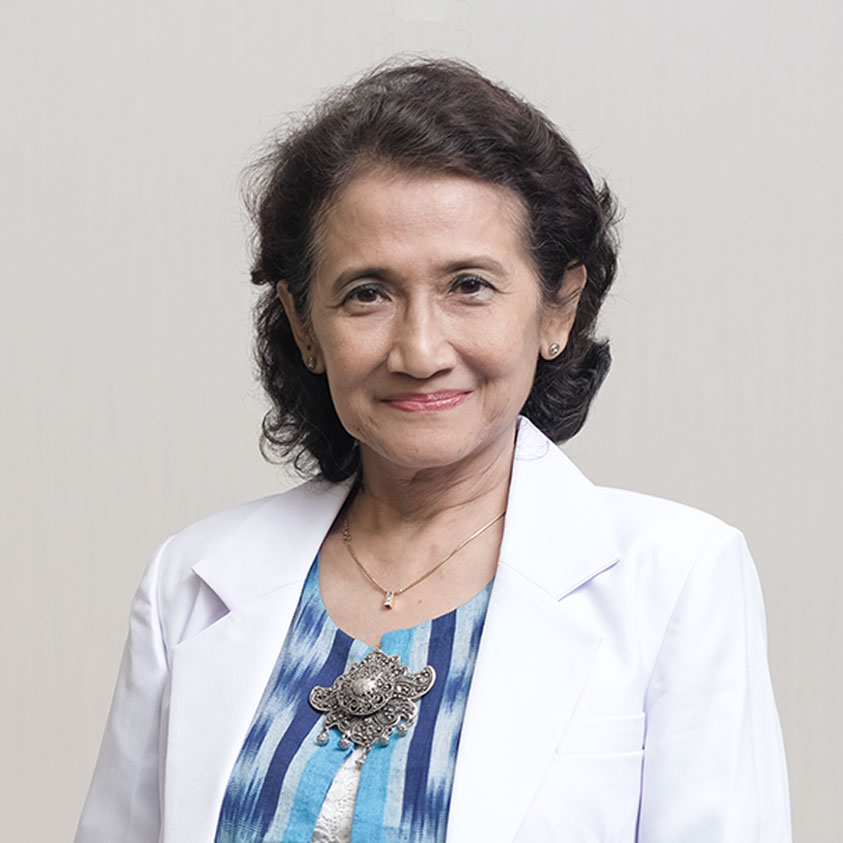
After completing her residency in ophthalmology at the University of Indonesia, Dr. Widowati (Dr. Ike) continu...
View Profile →
After completing her ophthalmology residency at the University of Indonesia Medical School 2012, Dr. Wulan wor...
View Profile →
After graduating from the Padjadjaran University Medical School, Dr. Yulinda underwent a postgraduate internsh...
View Profile →