

Dr. ARIEF WILDAN, SpM
Dr. Arief joined KMN EyeCare in Semarang in 2010 and completed his retinal fellowship in Thailand between 2012...
View Profile →
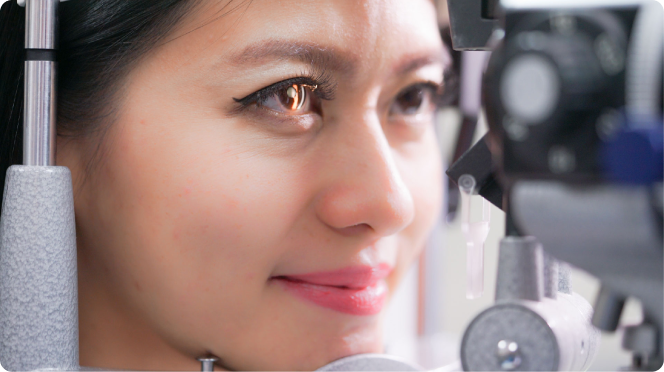
Between 10-30% of the world population suffers from dry eyes, which can result in red eye, blurred vision, itchy eyes, and more. In Indonesia, it is said that the prevalence rate of dry eyes is 27.5%. Dry eye syndrome is a common eye disorder that causes discomfort to an extent that can affect daily activity and well-being. Dry eye syndrome is the most common eye disorder amongst KMN EyeCare patients.
The eye surface consists of cornea (the clear dome shape above the pupil), the conjunctiva (the clear layer above the white area of the eye), and the eyelids. The cornea has 3 layers of tear film: an oil layer, a water layer, and a mucin layer, which are needed to maintain a healthy front cornea surface and for clear vision. A dry cornea may cause eye inflammation, eye irritation, or red eye. The oil glands in the eyelids, or the meibomian glands, maintain an oily layer to prevent the evaporation of the tear film. Each part of the eye thus works together to help protect and lubricate the eye, reduce the risk of eye infection, and maintain a smooth surface.
Dry eye occurs as a result of either insufficient tear production, which would normally serve to lubricate, nourish, and protect the surface of the eye, or excessive tear film evaporation. Both lifestyle as well as aging can contribute to the development of dry eye.
Around the age of 60 years old, tear flows decrease, thus drying the eyes. Furthermore, women are more affected by dry eye during menopause, as hormonal changes contribute to such conditions.
Ultimately, dry eye is a multifactorial disorder that is caused by inflammation of the surface of the eye, neurotrophic deficiency, and dysfunction of the meibomian glands.
Additional causes of dry eye are climate changes, spending long hours in an air-conditioned or low-humidity room, haze and smoke pollution.
Furthermore, reading or working on a computer for long periods of time can cause dry eye. Taking breaks from these activities to rest and blink the eye helps to keep the eye from drying.
Contact lenses also contribute to eye dryness, as soft contact lenses avoid hardening by absorbing tears. If eyes are dry to begin with, contact lenses may exacerbate the symptoms of dry eye.
Additionally, certain health conditions and medications can cause dehydration and lead to the development of dry eye. A vitamin A deficiency, or diseases such as Parkinson’s, Thyroid conditions, and Sjogren’s syndrome can also cause eye dryness, while long-term medications such as acne pills, antihistamines, blood pressure medications, and decongestants may also worsen dry eye symptoms.
When the eye’s lubrication system is not functioning correctly, dry eye symptoms appear, which may vary from one person to another.
Dry eye symptoms may include:
Various dry eye treatment options tailored to your individual needs
At KMN EyeCare, dry eye treatments are customized in accordance with each individual's needs. Nonetheless, most patients address their dry eye symptoms by regularly applying artificial tear eye drops. Artificial tear eye drops vary in consistency. Thicker eyedrops allow for moisture to remain longer on the eye surface, helping to protect and cover tear films.
The application of punctal plug is also treatment option for dry eyes. Punctal plug are special insertions that occlude the tear drain in the eyelid. This stops eye drainage, keeping tears on the surface of the eye. Punctal plug can be applied as a temporary dry eye treatment with dissolvable collagen plugs or as a permanent treatment with silicone plugs.
Furthermore, simple and easy lifestyle changes can help prevent dry eyes. Drinking adequate amounts of water keeps the body, including the eyes, hydrated. Making a conscious effort to blink frequently, especially when reading, working on the computer, and watching television, will also help lubricate the eye surface.
Real experiences from our dry eye patients
"I experienced keratitis, due to complications from post-lasik dry eye in another eye clinic. I chose KMN to handle my dry eye problems at the recommendation of a friend about Dr. Maya. The first time I went to KMN, I felt relieved and safely handled by Dr. Maya is clear in providing service and attention. I feel calm because I know that if there is a problem with my eyes I can count on Dr. Maya at KMN.
I am satisfied with the services provided by KMN. What impressed me most about KMN services and distinguished KMN from other health services was: Dr. Maya, maintained medical records, standard and professional processes.
I have recommended KMN for eye health services, especially Dry Eyes. My advice to people who are still hesitant to check eye health problems, especially Dry Eyes; do not delay eye examination!
Thank you Doctor Maya and KMN for successfully treating the complications of Keratitis that I experienced. I can feel safe and relieved."
"I experienced keratitis, due to complications from post-lasik dry eye in another eye clinic. I chose KMN to handle my dry eye problems at the recommendation of a friend about Dr. Maya. The first time I went to KMN, I felt relieved and safely handled by Dr. Maya is clear in providing service and attention. I feel calm because I know that if there is a problem with my eyes I can count on Dr. Maya at KMN.
I am satisfied with the services provided by KMN. What impressed me most about KMN services and distinguished KMN from other health services was: Dr. Maya, maintained medical records, standard and professional processes.
I have recommended KMN for eye health services, especially Dry Eyes. My advice to people who are still hesitant to check eye health problems, especially Dry Eyes; do not delay eye examination!
Thank you Doctor Maya and KMN for successfully treating the complications of Keratitis that I experienced. I can feel safe and relieved."
Experienced dry eye specialists at KMN EyeCare
Showing 19 of 19 doctors
Dr. Arief joined KMN EyeCare in Semarang in 2010 and completed his retinal fellowship in Thailand between 2012...
View Profile →
After completing his ophthalmology residency, Dr. Bondan joined the Faculty of Ophthalmology at the University...
View Profile →
Dr. Danang joined the team at KMN EyeCare after completing his ophthalmology residency at the University of Ga...
View Profile →
Dr. Henry joined KMN EyeCare in Semarang after graduating from the University of Gadjah Mada Medical School in...
View Profile →
Dr. Ira joined KMN EyeCare since its inception in 2004 and continues to practice in cataract, oculoplasty, and...
View Profile →
After finishing Bachelor of Medicine at Atma Jaya Catholic University, Dr. Kevin joined KMN EyeCare in 2020 af...
View Profile →
Dr. Martin immediately joined the team at KMN EyeCare after graduating from the University of Sam Ratulangi Me...
View Profile →
Dr. Maya joined the KMN EyeCare team after graduating from the University of Indonesia Medical School in 2010....
View Profile →
Dr. Sjahbudi joined KMN EyeCare in 2004 and has expertise in cataract and LASIK treatment.
View Profile →
After graduating from his residency in ophthalmology at the University of Indonesia, Dr. Viktor joined KMN Eye...
View Profile →
After graduating from the University of Indonesia Medical School in 2012, Dr. Rien immediately joined KMN EyeC...
View Profile →
After graduating from the University of Indonesia Medical School in 2003, Dr. Rifna joined KMN EyeCare in 2004...
View Profile →
After graduating from the University of Gadjah Mada Medical School in 2000, Dr. Rini completed additional trai...
View Profile →
After completing her ophthalmology residency at the University of Indonesia 2013 and several fellowship in ret...
View Profile →
After graduating as an ophthalmology specialist from the University of Gadjah Mada Medical School in 2003, Dr....
View Profile →
After completing his ophthalmology residency at the University of Sam Ratulangi Medical School, Dr. Vinsen pra...
View Profile →
After completing her residency in ophthalmology at the University of Indonesia, Dr. Widowati (Dr. Ike) continu...
View Profile →
After completing her ophthalmology residency at the University of Indonesia Medical School 2012, Dr. Wulan wor...
View Profile →
After graduating from the Padjadjaran University Medical School, Dr. Yulinda underwent a postgraduate internsh...
View Profile →